What Type of Farm Fence Do You Need? A Missouri Guide to Livestock, Acreage, Gates, and Terrain
The right farm fence depends on more than acreage. What you need to contain, where the fence will be used, the terrain, gate and equipment access, and how the property operates day to day should all influence the system you choose.
A cattle pasture, poultry operation, working corral, and rural property perimeter may require very different fencing even when they are located on the same farm.
At Gooseberry Creek Fencing Company, we install and repair agricultural and farm fencing for farms, ranches, livestock areas, poultry operations, acreage properties, and other rural properties in Springfield and throughout the Ozarks. The best place to start isn't with a roll of wire. It's with what you need the fence to accomplish.
Start With the Job the Fence Needs to Do
Before comparing barbed wire, woven wire, electric fencing, or pipe fencing, define the job.
Are you establishing a farm perimeter? Containing livestock? Dividing pasture? Creating a corral or working area? Protecting a poultry operation? Replacing a fence that no longer fits how the property is used?
University of Missouri Extension distinguishes between perimeter fencing, permanent subdivision fencing, and temporary or portable fencing in grazing systems. The fence around the outside of a property may have a different job from fencing used to divide pastures internally.
We recommend choosing fencing according to its function and location rather than assuming every fence line needs the same material.
Which Farm Fence Type Makes Sense?
Gooseberry Creek installs several types of agricultural fencing, each suited to different applications.
Barbed-Wire Fencing
Barbed wire is commonly used for agricultural perimeters and livestock areas, particularly across longer stretches of rural property. MU Extension includes it among the common permanent perimeter-fencing systems used on Missouri pasture operations.
The decision shouldn't come down to price alone. Consider the livestock, location, terrain, gates, maintenance expectations, and whether barbed wire is appropriate for the animals being contained.
Woven-Wire and Field Fencing
Woven-wire and field fencing create a more continuous physical barrier. Gooseberry Creek uses these systems for applications including livestock enclosures, pasture divisions, and property boundaries.
Woven wire is also a common option for permanent perimeter fencing. It may be useful where the animals or property call for less open space between wires.
Electric Fencing
Electric fencing can support certain livestock and pasture-management needs. MU Extension discusses both permanent electrified high-tensile fencing and portable electric systems for managed grazing.
Portable systems can provide flexibility when paddock arrangements change, while permanent systems can serve longer-term divisions. Vegetation, grounding conditions, components, and ongoing maintenance also need to be considered because they can affect performance.
Pipe Fencing
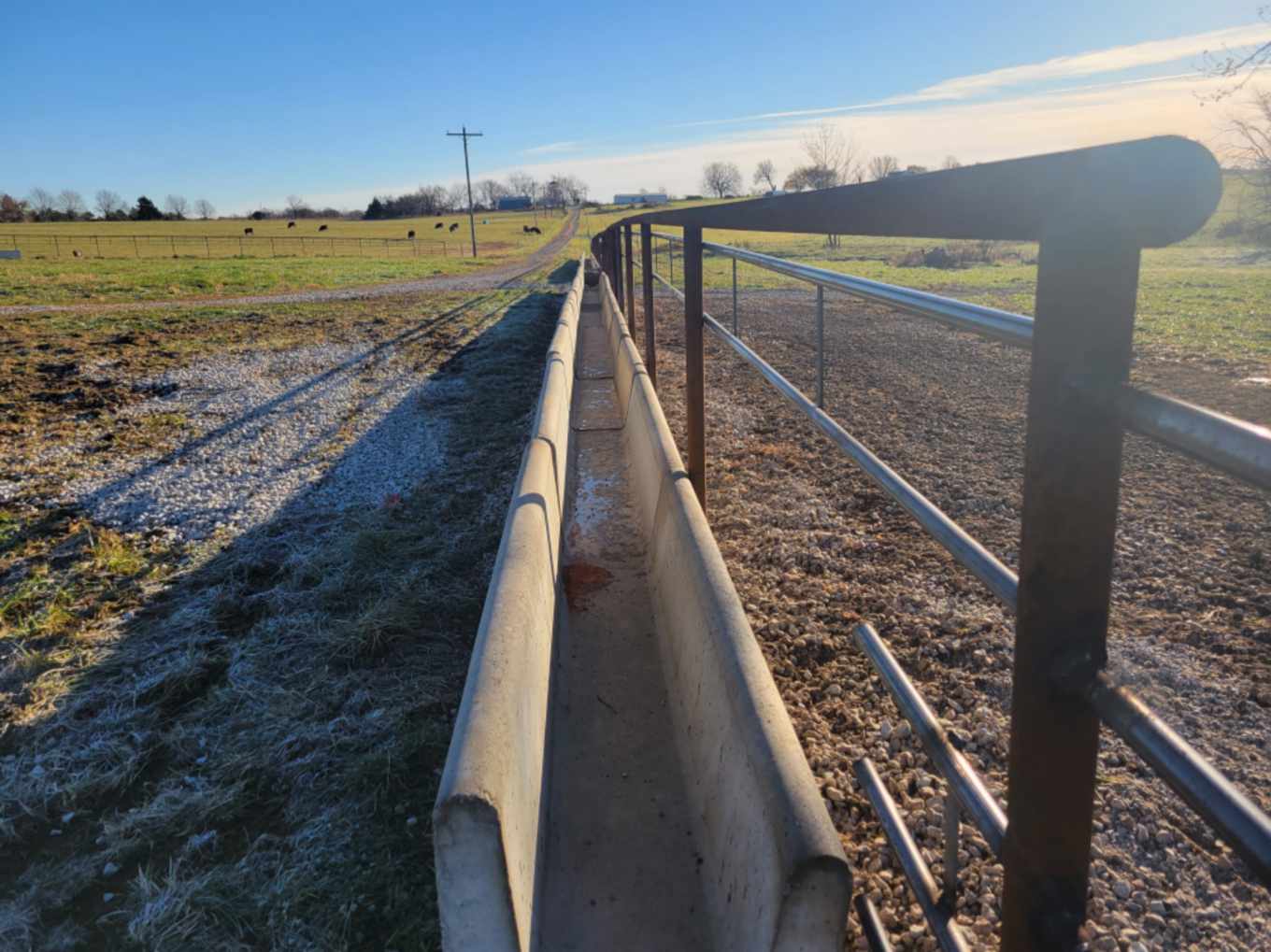
Pipe fencing provides a substantial structure for places such as corrals, entrances, and other frequently used agricultural areas.
A farm may use one type of fencing along long acreage boundaries and another around a corral or high-use entry. Matching the fence to the job can make more sense than using one material everywhere.
How Does Livestock Affect Your Fence Choice?
Start with the animals rather than choosing a fence first and trying to make it fit.
Cattle, horses, goats, and poultry can present different containment concerns. Animal size isn't the only consideration. Behavior, visibility, spacing, pressure on the fence, and the way livestock move through the property can all matter.
For example, MU Extension guidance discusses woven wire and electric systems for goats, several permanent and portable systems for cattle grazing, and additional visibility and opening considerations for horse fencing.
There isn't one prescribed fence for every species. The important question is what the fence needs to contain and under what conditions.
If you expect the property to support different animals in the future, include that in the planning process as well.
Why Terrain and Acreage Matter
A straight fence line across gently rolling pasture presents different installation conditions than a route crossing steep grades, wooded areas, uneven ground, or frequent elevation changes.
Terrain can influence the fence route, installation method, materials, labor, access, and project cost. MU Extension's 2026 pasture-fence budgeting tool accounts for terrain and construction methods when estimating agricultural fencing.
Long runs deserve careful planning, too. Before installation, consider where the fence actually needs to run, how the route can be accessed, what existing fencing is present, and whether the proposed layout supports how you expect to use the land.
Plan Gates Around the Work You Actually Do
Think about what needs to pass through each gate during both normal operations and the busiest parts of the year.
Tractors, trucks, trailers, mowers, livestock, deliveries, and other equipment can require different access. Gate placement can also affect how easily animals move between areas and how efficiently people work around the property.
A poorly placed gate can become an inconvenience every time equipment needs to enter a field.
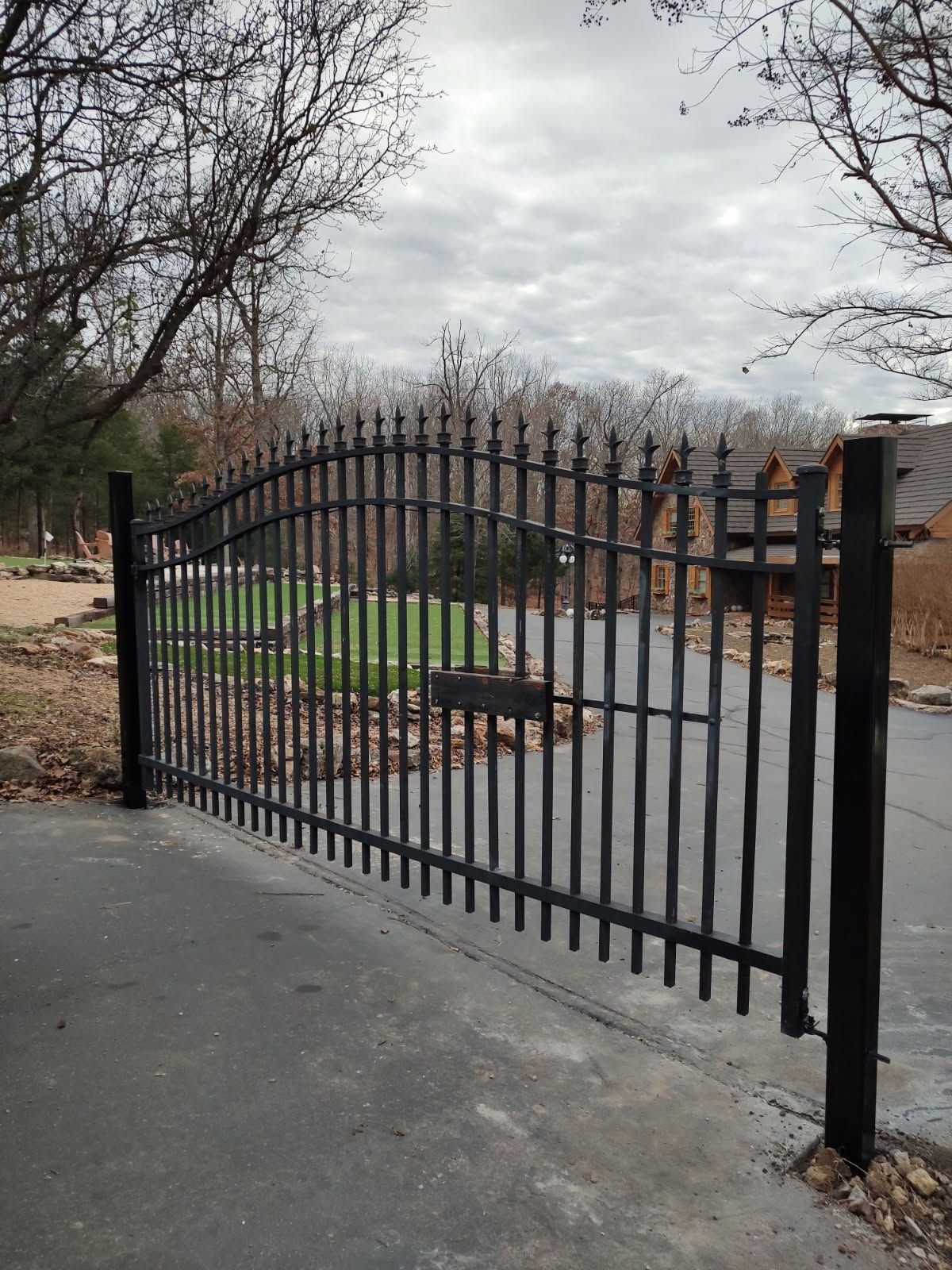
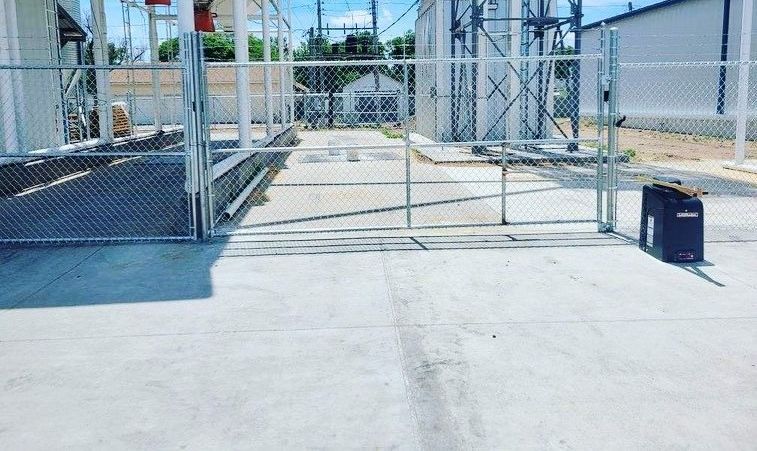
At Gooseberry Creek Fencing, we install custom farm gates and entries as part of agricultural fencing projects. Width, location, approach, equipment access, and traffic through the opening should be considered before the fence layout is finalized.
Perimeter and Interior Fencing Don't Have to Be the Same
It can help to think about a farm in zones.
Your perimeter fence establishes the outer boundary and may carry the greatest containment responsibility. Interior fencing can separate pastures, livestock groups, and working areas. Corrals and other high-use areas may experience different pressures and traffic. Temporary or movable fencing can provide flexibility for certain grazing systems where appropriate.
Planning these areas together also helps determine how gates should connect them and how livestock, vehicles, and equipment will move through the property.
What Affects the Cost of Agricultural Fencing?
Agricultural fencing cost isn't determined by acreage alone.
Total fence length matters, but so do fence type, terrain, the number and size of gates, work-area access, construction requirements, and the condition of existing fencing.
MU Extension's updated 2026 pasture-fence budget similarly accounts for materials, labor, machinery, construction methods, terrain, and gates. That's why a per-foot price found online may not accurately represent a specific Missouri property.
For a broader look at pricing factors, see our 2026 fence installation cost guide.
What Should You Know Before Requesting an Estimate?
You don't need to choose the exact fence material before talking with a fencing contractor. It can be more useful to explain how the property works first.
Be ready to discuss:
- What needs to be contained or separated
- Where the fence should run
- Approximately how much land is involved
- What vehicles and equipment use the property
- Where gates are needed
- Whether existing fencing will remain, be repaired, or be replaced
If the proposed fence follows or affects a property boundary, confirm the boundary and understand applicable requirements before construction. Missouri has specific laws concerning division fences, and the rules depend on the situation. Our guide to Missouri fence laws, property lines, and neighbor disputes provides a starting point, but legal or surveying questions should be addressed by the appropriate professional.
The more a contractor understands about livestock movement, equipment access, existing fence problems, and future plans for the land, the easier it is to discuss practical fencing options.
Frequently Asked Questions
What is the best type of fence for a farm in Missouri?
There isn't one best farm fence for every Missouri property. The right system depends on livestock, fence location, terrain, access, maintenance, and whether the fence will serve as a perimeter, pasture division, corral, or another working area.
Is woven wire or barbed wire better for livestock?
It depends on the animals and application. Both are used in agricultural fencing, but they create different barriers. Livestock species, containment needs, fence location, terrain, and maintenance should guide the choice.
Can I use different types of fencing on the same farm?
Yes. Perimeters, pasture divisions, corrals, and other working areas can have different requirements. Choosing fencing by function can be more practical than using one type throughout the property.
How should I decide where farm gates go?
Start with daily operations. Identify where livestock, tractors, trucks, trailers, mowers, and other equipment need to move. Gate width and placement should support those traffic patterns.
Does terrain affect agricultural fence installation?
Yes. Slopes, uneven ground, wooded areas, elevation changes, and access along the fence route can affect installation planning and cost.
Do I need to replace all of my existing farm fence?
Not necessarily. Limited damage may be repairable if the overall fence and layout still meet the property's needs. Widespread deterioration or an outdated layout may make replacement or redesign worth considering.
Plan Agricultural Fencing Around the Way Your Property Works
A farm fence needs to contain the right animals, work with the terrain, provide practical access, and support the daily operation of the property.
Gooseberry Creek Fencing Company is a veteran-owned and family-owned contractor with more than 15 years of fencing and railing experience. We provide agricultural fence installation and repair, including custom farm gates and entries, for farms, ranches, acreage, poultry operations, and rural properties around Springfield, Buffalo, Lebanon, Bolivar, and other communities throughout the Ozarks.
If you're deciding what type of farm fence makes sense for your property, contact Gooseberry Creek Fencing Company to discuss your land, livestock, access needs, and fencing options.