Farm and Acreage Fencing in Missouri: How to Choose the Right Fence for Your Rural Property
The best fence for a farm or acreage property is not always one specific material. It is the fencing plan that fits how the land is actually used.
A pasture may need dependable livestock containment. A long property boundary may call for a practical solution that makes sense across hundreds or thousands of feet. Around the house, privacy or pet containment may matter more. At the entrance, preserving the view and creating an attractive first impression may be the priority.
After 15 years of fencing and railing experience, we have learned that rural fence projects are easier to plan when property owners start with function rather than fence style. Gooseberry Creek Fencing works with residential, commercial, and agricultural properties throughout Southwest Missouri, from farms and acreage around Buffalo and Bolivar to rural properties near Lebanon, Springfield, and the Lake of the Ozarks.
The right farm and acreage fencing in Missouri depends on what the fence needs to do, how much land you are fencing, the terrain, access points, maintenance expectations, and how you may use the property in the future.
What Is the Best Fence for a Farm or Acreage Property?
There is no single best fence for every rural property. The right choice starts with what each section of fence needs to accomplish.
Before comparing materials, ask:
- What needs to be contained or protected?
- How long is the fence run?
- What type of terrain will it cross?
- Where will vehicles, equipment, people, or animals need access?
- How much maintenance do I want?
- Is preserving the view important?
- Could the way I use this property change later?
A fence around a house has a different job from a pasture fence. A decorative fence along a driveway may look great without being appropriate for livestock. Likewise, using a premium residential fence around every foot of a large property may add cost where a more practical agricultural system would serve the property better.
The best rural fencing plan starts with purpose first and material second.
For many acreage properties, that means using more than one type of fence.
What Should You Consider Before Choosing Fencing for Acreage?
The size of the property matters, but acreage alone does not determine the right solution.
What Will the Fence Contain?
If livestock is involved, the animals should be part of the fencing decision. Different animals can place different demands on a fence based on their size, behavior, visibility needs, and how they interact with the barrier.
The same principle applies outside of agriculture. A dog enclosure near the house may need a completely different system from an outer property boundary.
Gooseberry Creek Fencing provides agricultural fencing solutions for farms and rural properties where livestock containment, property boundaries, security, or separating different areas of the land are the primary goals.
How Much Land Are You Actually Fencing?
A small difference in material or installation requirements can become significant when repeated across a long perimeter.
Total linear footage matters, but so do:
- corners and changes in direction
- gate quantity and size
- terrain
- access to the fence route
- existing vegetation
- site preparation
- installation complexity
That is why a useful estimate requires more than knowing the number of acres you own. The actual fence route matters much more.
How Much Maintenance Do You Want?
Consider maintenance before choosing the material.
A fence near the house may be easy to inspect and maintain. A fence running through the far side of a large property may not be.
Think about how the material will fit your expectations for appearance, repairs, and long-term upkeep, especially across sections that may be difficult to access later.
How Do Rural Fence Options Compare?
Different fence types solve different problems. A useful comparison should focus on function rather than trying to identify one universal winner.
| Fence Type | Common Rural Uses | Main Advantage | Important Consideration |
|---|---|---|---|
| Agricultural fencing | Livestock, pastures, long boundaries | Designed around practical rural use | Must match the animals and property |
| Split rail | Entrances, visible boundaries, front acreage | Preserves an open rural appearance | May not provide enough containment alone |
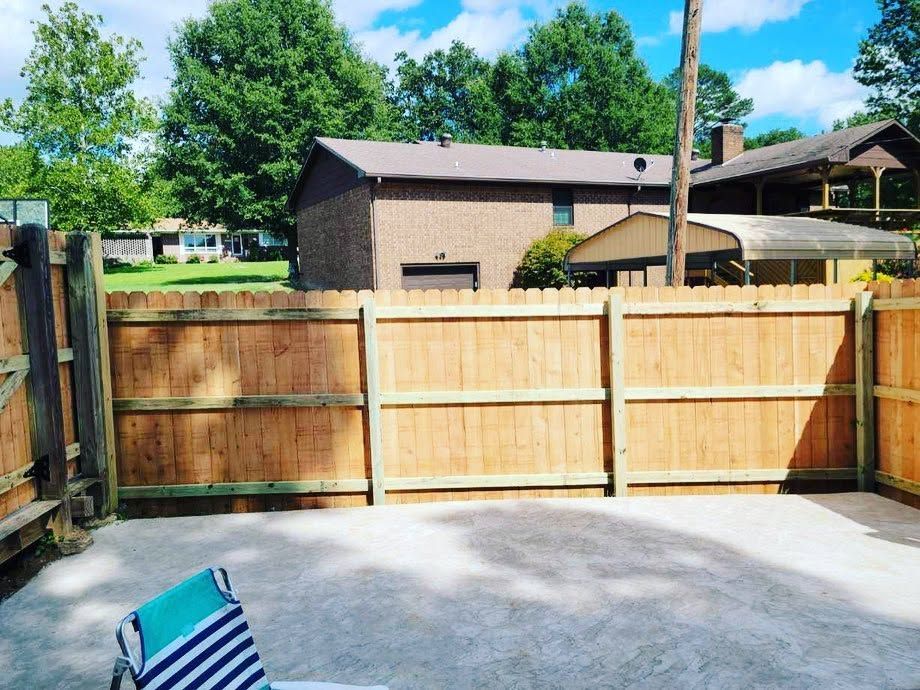
| Wood fencing | Homes, privacy, prominent areas | Privacy and visual appeal | Maintenance matters on long runs |
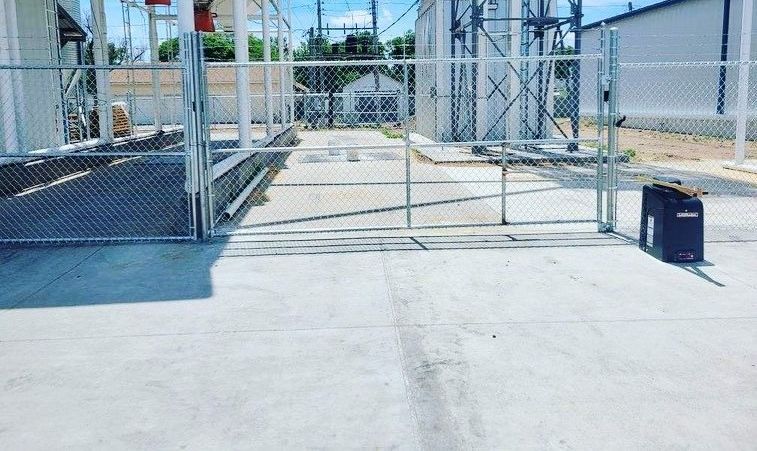
| Chain link | Pets and defined functional areas | Practical containment and visibility | May not fit every property's preferred look |
| Ornamental fencing | Homes and entrances | Open views with a finished appearance | Often best for selected areas rather than large perimeters |
One of the most practical approaches on acreage is to place more finished fencing where appearance matters most and use a different system across working or less-visible sections of the property.
A rural home near Camdenton, for example, might use one style around the house or driveway while a larger portion of the property uses agricultural fencing designed around function.
What Is the Best Fence for Livestock?
The best livestock fence depends on the animals being contained, how the property is managed, the terrain, and whether the fence is serving as a permanent perimeter or an interior division.
Livestock type can influence considerations such as fence openings, visibility, overall strength, pressure on the fence, and how permanent the system needs to be.
Do Not Treat Every Fence Line the Same
The main perimeter may need to accomplish something different from interior fencing that divides pastures or creates smaller working areas.
Planning these separately can prevent a property owner from overbuilding one area while choosing too little fence for another.
Future use matters too. A property outside Republic or Willard may start primarily as residential acreage and later add animals, another outbuilding, or a new equipment entrance.
Thinking through those possibilities before installation can make later changes much easier.
How Does Uneven Missouri Terrain Affect Fence Installation?
Uneven terrain can affect fence alignment, post placement, ground clearance, gates, and installation complexity. The fence needs to follow the realities of the land, not simply a line drawn on a map.
That is especially relevant on properties around Buffalo, Bolivar, Lebanon, and other parts of Southwest Missouri where one fence route may cross open pasture, hills, wooded areas, and drainage paths.
Hills and Dips Change the Layout
Elevation changes can create unwanted gaps if the fence and installation method are not planned for the grade.
Different materials also handle changing terrain differently. A fence that is straightforward across level ground may require another installation approach when the route rises, drops, or changes direction repeatedly.
Drainage Areas Need Attention
Creeks, low areas, runoff paths, and sections that regularly stay wet should be identified before installation.
These conditions may influence the route itself, installation access, gate placement, and how easily the fence can be maintained later.
One mistake we often see in fence planning is becoming committed to a material before fully evaluating where the fence actually needs to go.
The property should help determine the fence, not the other way around.
How Should Gates Be Planned on a Large Rural Property?
Gate locations should be based on how people, vehicles, trailers, equipment, and livestock actually move through the land.
A gate that looks convenient on a property map may be frustrating to use every day.
Before finalizing the fence layout, think beyond the main driveway.
- Will a truck and trailer need to enter?
- Will equipment need access to pastures?
- Could another building be added later?
- Will maintenance vehicles need to reach a remote area?
- Is the approach level enough for the gate to work comfortably?
A well-placed secondary gate can make a major difference years after the fence is installed.
Gooseberry Creek Fencing installs custom gates and entrance solutions as part of larger fencing projects, allowing the fence layout and access points to be planned together rather than treating the gate as an afterthought.
How Do Long Fence Runs Affect Material Choice and Cost?
Long fence runs magnify almost every project decision.
Even a relatively small difference in material, labor, or installation requirements can become significant when repeated across hundreds or thousands of feet.
Material quantity is only one part of the cost. The final project can also be affected by terrain, gates, corners, access, vegetation, and the complexity of the route.
The University of Missouri Extension's Pasture Fence Construction Budget compares multiple permanent perimeter fencing systems and accounts for changing terrain and construction conditions when estimating project costs.
Spend Where It Makes Sense
Not every part of an acreage property needs the same level of finish.
A homeowner may choose a more visually prominent fence near the house or main entrance while using a different system for a long pasture boundary.
That is often a more useful approach than asking:
"What fence should I put around all 20 acres?"
A better question is:
"What does each section of this property need?"
When Does Split Rail Fencing Make Sense for Rural Property?
Split rail fencing makes sense when the goal is to define space while keeping the property feeling open.
It can work particularly well along:
- driveway entrances
- front acreage
- visible property boundaries
- areas around a rural home
- decorative sections of a larger fencing plan
Its limitation should also be considered.
An open decorative fence should not automatically be expected to provide the containment needed for every animal or application. Some properties may use split rail where appearance matters and a different fencing system where containment is the priority.
Should You Use the Same Fence Around the House and the Pasture?
Not necessarily.
The area immediately around a rural home often has different priorities from the working portions of the property.
Near the house, you may care most about privacy, pets, children, landscaping, or appearance.
Across a pasture or long boundary, the priorities may shift toward containment, visibility, access, durability, and practical maintenance.
A property around the Lake of the Ozarks may have more finished fencing near the home and driveway while using a practical agricultural system across larger or less-visible sections.
Using different fence types does not mean the property has to look disconnected. Thoughtful transitions, gates, and material placement can help the entire system feel intentional.
Common Mistakes to Avoid When Planning a Fence for Acreage
Choosing the Fence Before Defining Its Job
A fence can look good and still be wrong for the property.
Decide what each section needs to accomplish before choosing the material.
Underestimating Gate Placement
Think about equipment and vehicles you use occasionally, not only your normal daily traffic.
Ignoring the Terrain Until Installation
Walk the proposed route. Hills, drainage areas, wooded sections, and difficult access can all change the plan.
Planning Only for Today
Consider future animals, buildings, pasture divisions, and access points before the fence is installed.
Looking Only at the Initial Price
The lowest upfront cost does not automatically create the best long-term value. Consider how the fence will be used and maintained over time.
Assuming an Existing Fence Marks the Property Line
An old fence, tree line, or mowing pattern is not necessarily the legal property boundary.
Before building directly along a boundary, review our guide to Missouri fence laws, property lines, and neighbor disputes. Property owners who need additional information about Missouri boundary and fencing laws can also review the University of Missouri Extension's Missouri Fence and Boundary Law Reference Guide. The guide is educational and should not replace advice about a specific legal situation.
How to Prepare for a Farm or Acreage Fence Estimate
You do not need to know the exact fence material before talking with a contractor.
You can make the planning process much more useful, however, by thinking through a few questions first.
- Identify the purpose of each area.
- Separate livestock, residential, privacy, boundary, and decorative needs.
- Think through access.
- Consider daily traffic as well as trucks, trailers, equipment, and possible future entrances.
- Look ahead.
- Think about how the property may change over the next several years.
- Identify difficult areas.
- Note hills, drainage paths, wooded sections, and other places that could affect installation.
- Decide where appearance matters most.
- The front of the property may deserve a different approach from a remote pasture boundary.
The goal is not to arrive at the estimate with every decision already made. It is to give the contractor enough information to help build the right plan.
Choosing a Farm and Acreage Fence Contractor in Southwest Missouri
A farm or acreage fencing project around Springfield, Buffalo, Lebanon, or another Southwest Missouri community requires more than the ability to put posts in the ground.
A qualified contractor should be able to discuss how the land is used, where access is needed, how the terrain affects installation, how different fence sections connect, and what the property may need in the future.
Gooseberry Creek Fencing is a veteran-owned and family-owned fencing company with more than 15 years of fencing and railing experience. Our approach is built around honest communication, dependable workmanship, and helping customers choose a fence that makes sense for the actual property.
For additional guidance before comparing contractors, read our guide to choosing the right fence company in Springfield and the Ozarks.
Frequently Asked Questions About Farm and Acreage Fencing
What is the best type of fencing for acreage?
The best fencing for acreage depends on how the property is used. Agricultural fencing may be appropriate for livestock and long boundaries, while wood, chain link, ornamental, or other residential fencing may make more sense around the home or other defined areas.
What is the lowest-maintenance fence for a rural property?
There is no single lowest-maintenance fence for every rural application. Maintenance depends on the material, installation, weather exposure, terrain, and how the fence is used. Compare long-term upkeep along with the initial investment.
Can a fence be installed on hills or uneven ground?
Yes. Slopes and uneven terrain should be considered during the fence layout and material-selection process because elevation changes can affect alignment, ground clearance, post placement, and gates.
Is split rail fencing good for acreage?
Split rail can be a good option when you want to define an area without blocking the view. It is commonly considered for entrances, front acreage, and decorative boundaries but may need to be combined with another solution when containment is required.
Can I use different fence types on the same property?
Yes. In many cases, combining fence types creates a more practical solution. The house, pasture, entrance, pet area, and outer boundary can all have different requirements.