How Do You Plan a Fence for a Large Property? A Guide to Acreage, Gates, Terrain, and Access in Missouri
Planning a fence for several acres starts with the layout, not the fence material.
Before deciding what type of fence goes where, determine what needs to be enclosed, how people and equipment move across the property, where gates are needed, what the terrain allows, and whether the layout will support future use.
At Gooseberry Creek Fencing Company, we install and repair agricultural and farm fencing in Springfield, Lebanon, Buffalo, and throughout the Ozarks. We recommend answering a few important questions before the first post goes into the ground.
Start With a Map of How the Property Works
On a small yard, it may be fairly obvious where the fence belongs. Several acres require more planning.
Start by looking at the property as a whole. Identify the boundaries, buildings, driveways, pastures, livestock areas, water access, wooded sections, working areas, existing fence lines, and routes used by trucks, tractors, trailers, and other equipment.
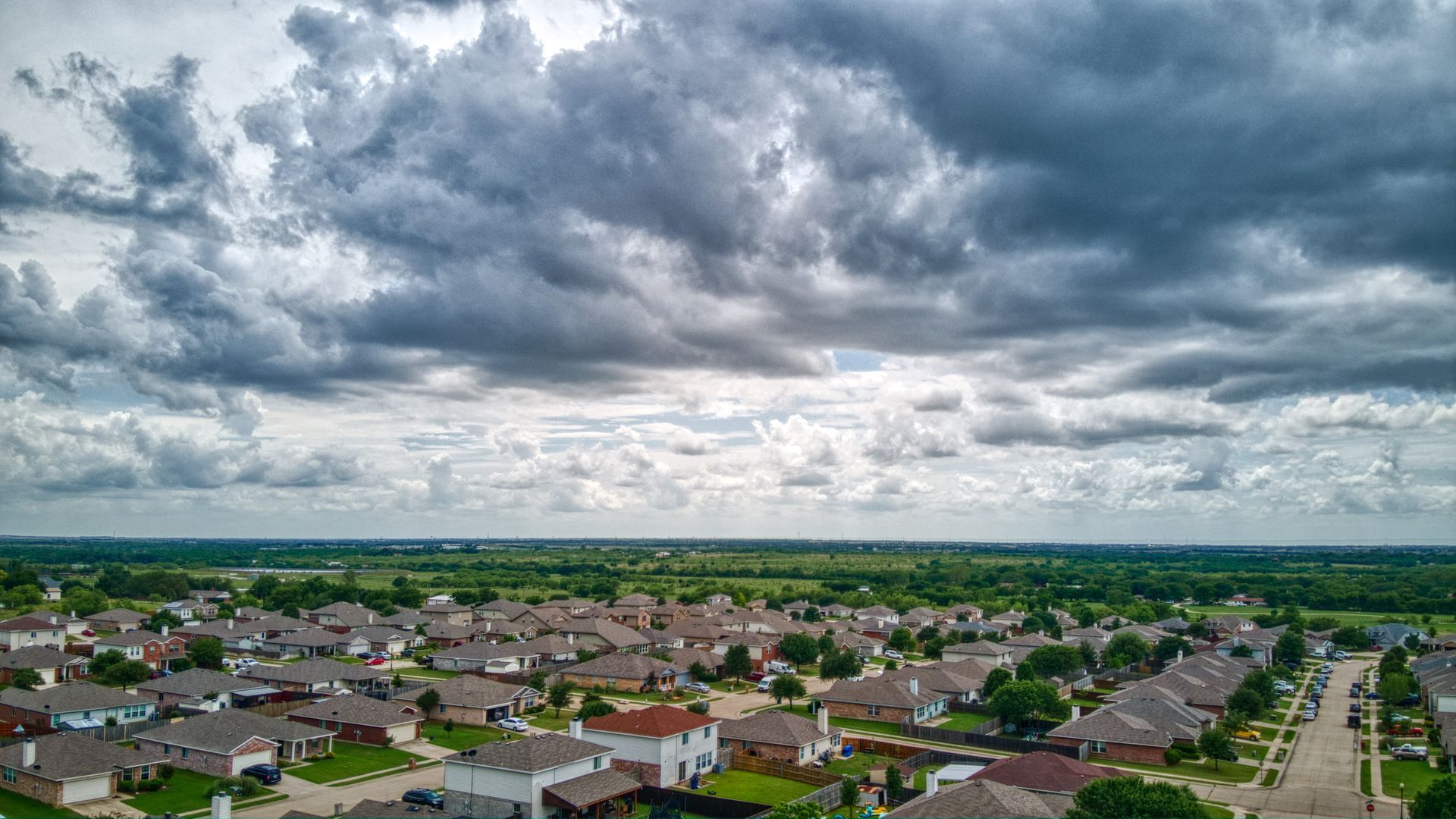
Use aerial photos to test possible pasture layouts and estimate fencing needs. It also notes that straight fence runs are generally easier and less expensive to build when the land allows them.
You don't need a professionally drafted site plan to start. A property map or aerial image can help identify potential fence lines and access points before discussing the project with a contractor.
Decide What Actually Needs to Be Fenced
Owning 20 acres doesn't automatically mean you need to fence all 20 acres the same way.
A perimeter may establish the outer enclosure. Interior lines can divide pasture or livestock areas. Corrals and working areas may need their own fencing, while other portions of the property may not need fencing at all.
If you're deciding which fence system fits particular livestock or agricultural uses, our guide to choosing a farm fence covers that decision in more detail. At this stage, concentrate on where permanent fence lines make sense.
Plan Gate Locations Before Finalizing Fence Lines
Gates shouldn't be leftover openings added after the fence layout is complete.
Where do you enter with a truck? Which fields need tractor access? Where does a trailer need room to approach and turn? How are livestock moved between areas?
Plan gates and passageways around livestock and equipment movement. In managed grazing layouts, consider how animals naturally travel between areas.
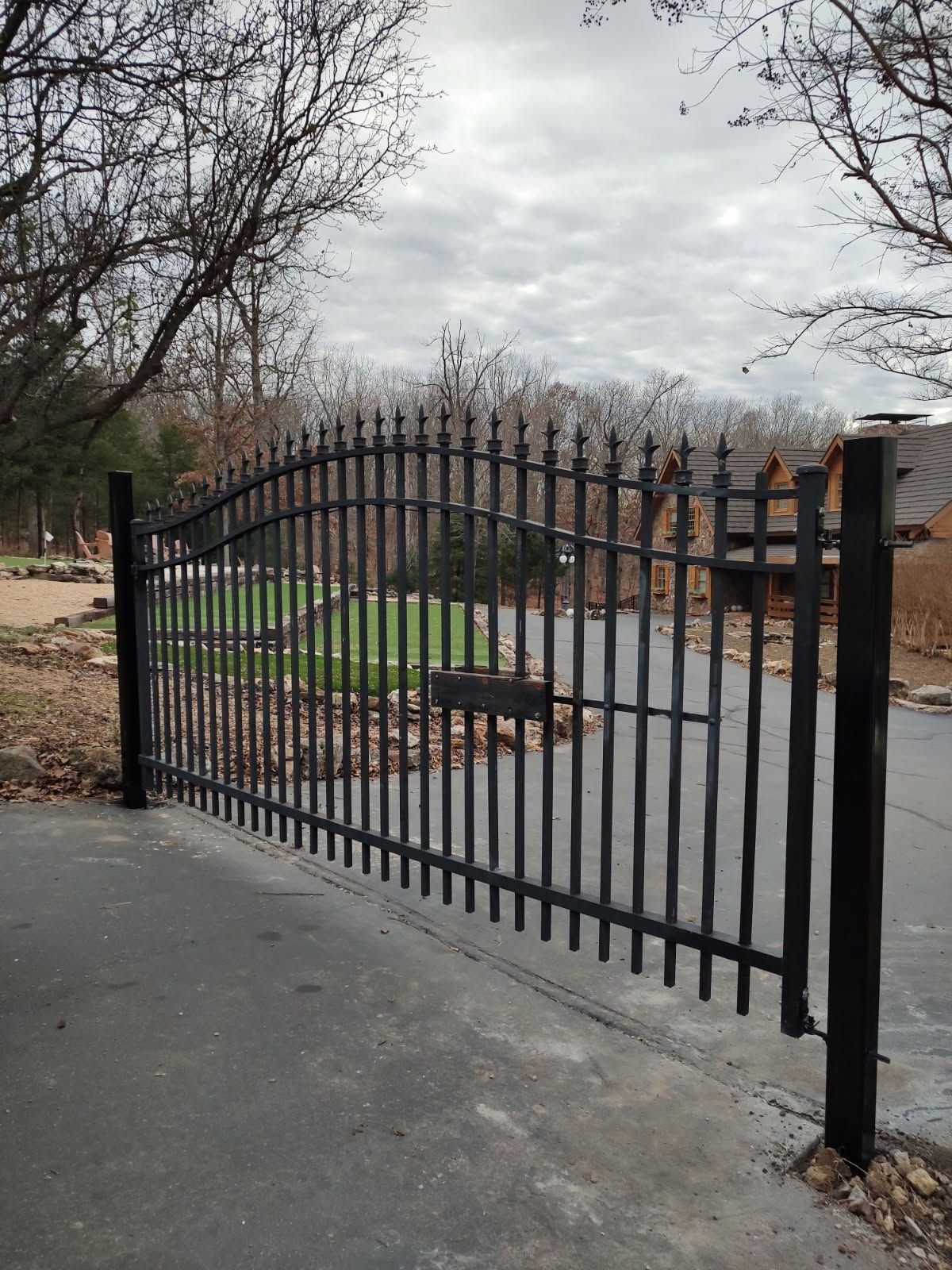
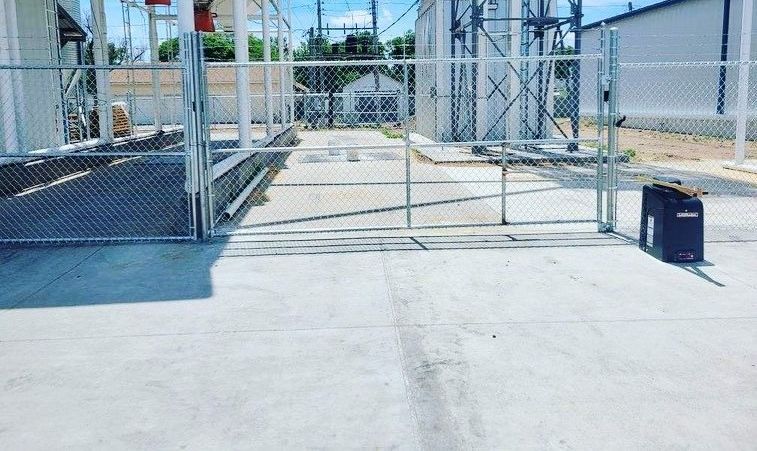
At Gooseberry Creek Fencing, we install custom farm gates and entries as part of agricultural fencing projects. Planning them with the fence layout can help prevent an otherwise functional fence from creating inconvenient access.
Think About Equipment and Vehicle Access
A gate can be wide enough but still difficult to use.
A long trailer may need room to line up with the opening. A gate beside a steep grade, ditch, or tight turn can make entry more difficult. Some areas may also need separate machinery access so equipment doesn't have to follow the same routes used for livestock.
Consider tractors, trucks, trailers, mowers, deliveries, utility access, and other equipment that regularly moves across the property. Identify those routes before finalizing the fence.
Let the Terrain Influence the Layout
Large Missouri properties rarely look like rectangles drawn on paper.
Slopes, terraces, ridges, low areas, wooded sections, drainage patterns, rocky ground, and elevation changes can affect where a practical fence line belongs.
Consider natural landscape features when designing pasture layouts and locating livestock lanes in well-drained areas where possible.
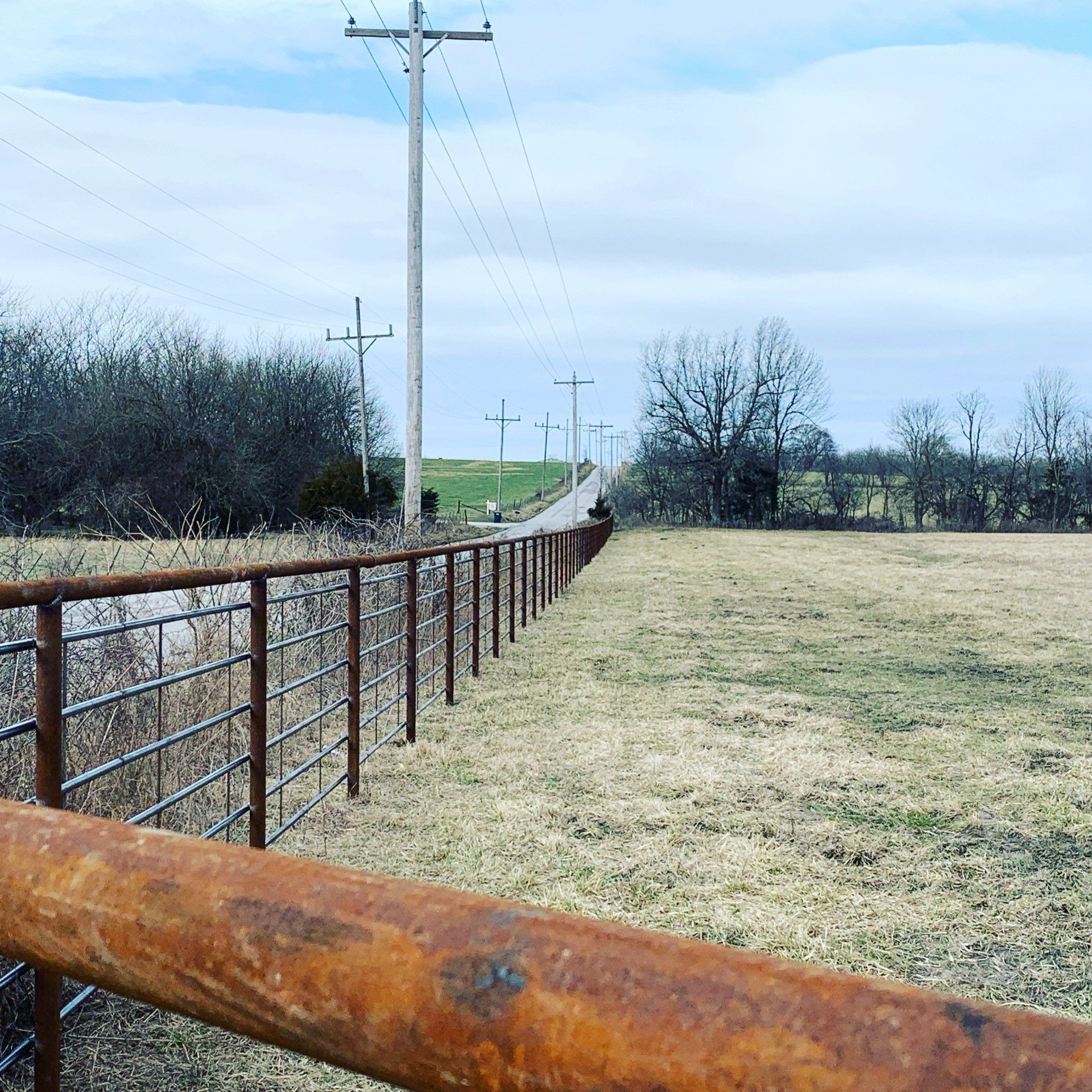
The shortest route isn't always the best route. A different fence line may offer better installation access, avoid difficult terrain, improve gate placement, or better support how the property is used.
Don't Ignore Existing Fences and Fence Rows
An existing fence line can look like the obvious place for a replacement, but first look at the condition of the route.
Also ask whether the old fence is still in the right place. If the current layout creates awkward equipment access, unnecessary corners, or poorly located gates, rebuilding along the same route may preserve those problems.
Plan for How the Property May Change
A fence can remain in place much longer than the current use of a field.
Think about changes you already expect. Could a large pasture eventually be divided? Are you planning another livestock area, building, driveway, or working area? Might larger equipment need access later?
You don't need to plan around every hypothetical possibility. But known changes are worth considering before permanent fence lines and gates are installed.
How Does Layout Affect Fence Cost?
The number of acres doesn't tell you what a fence project will cost.
Fence type and total length matter, but so do terrain, gates, corners, ends, site access, existing-fence removal, vegetation, and other conditions.
A straight, continuous fence is generally faster and easier to construct than a layout with additional corners, ends, gates, water gaps, and difficult terrain.
That's why two properties requiring similar amounts of fencing can involve very different projects.
For a broader look at pricing factors, see our 2026 fence installation cost guide.
What Should You Have Ready for a Fence Estimate?
You don't need a completed fence plan before requesting an estimate. You should, however, be able to explain what you're trying to accomplish.
Be ready to discuss:
- What areas need to be enclosed or separated
- What the fence needs to contain
- Where the main fence lines may run
- Which gates and entrances are needed
- What vehicles and equipment need access
- Whether existing fencing will remain or be replaced
- Known terrain or access challenges
- Planned property changes that could affect the layout
If the proposed fence follows a property boundary, make sure you know where that boundary is rather than relying on an old fence as proof. Missouri also has specific division-fence laws. Our Missouri fence law and property-line guide covers that subject separately.
The goal isn't to have every detail settled. It's to give your contractor enough information to understand the property and the job the fence needs to do.
Frequently Asked Questions
How do I plan a fence for several acres?
Start with a property map or aerial view. Identify boundaries, buildings, working areas, existing fences, terrain, and normal travel routes. Then determine which areas need fencing and where access points belong.
Should I fence the entire property perimeter first?
Not necessarily. Some properties primarily need a dependable perimeter, while others need interior divisions, working areas, or a combination. Start with the purpose of each fence line.
Where should gates go on a large property?
Place gates around actual movement through the property. Consider livestock, tractors, trucks, trailers, mowers, and access to working areas rather than choosing locations based only on convenience during installation.
Is a straight fence line always best?
No. Straight runs can simplify construction, but terrain, boundaries, drainage, existing features, and access may make another route more practical.
Can an old fence line be reused?
Sometimes. Consider the condition of the existing fence, vegetation, access, property boundaries, and whether the old layout still works for the property.
Should I plan future gates even if I don't need them yet?
If you already know the property's use will change, discuss it during planning. A future pasture division, building, driveway, or equipment route may affect today's layout.
Make the Fence Fit the Property
On a large property, good fence planning is about more than enclosing acreage. The layout needs to work with the land and with the livestock, vehicles, equipment, and people that move across it.
At Gooseberry Creek Fencing Company, we install and repair agricultural fencing for farms, ranches, livestock areas, poultry operations, acreage properties, and other rural properties. We serve Springfield, Buffalo, Lebanon, Bolivar, Camdenton, and other communities throughout the Ozarks.
If you're planning fencing for a larger property, contact Gooseberry Creek Fencing Company to discuss the layout, access needs, existing fence conditions, and plans for the property.